Easy Classic British Flapjacks: Your Foolproof Guide to the Perfect Chewy Treat
There's something uniquely comforting about a classic British flapjack. These beloved oat bars are a staple in UK homes, bake sales, and lunchboxes, cherished for their irresistible buttery sweetness and satisfying chewiness. If you've ever dreamt of whipping up a batch of these quintessential British treats, you're in the right place. Our foolproof guide will walk you through creating the perfect **classic British flapjacks** that are unbelievably easy, utterly delicious, and sure to become a family favourite.
Imagine a golden bar, rich with the warmth of oats, butter, brown sugar, and that distinctive caramel note of golden syrup. These aren't just any oat bars; they're a taste of British tradition, a simple pleasure that transcends age and baking skill. Whether you're an amateur baker or a seasoned pro, this recipe for **classic British flapjacks** delivers every time, transforming basic ingredients into an extraordinary snack.
What Exactly Are British Flapjacks? A Deeper Dive into This Beloved Treat
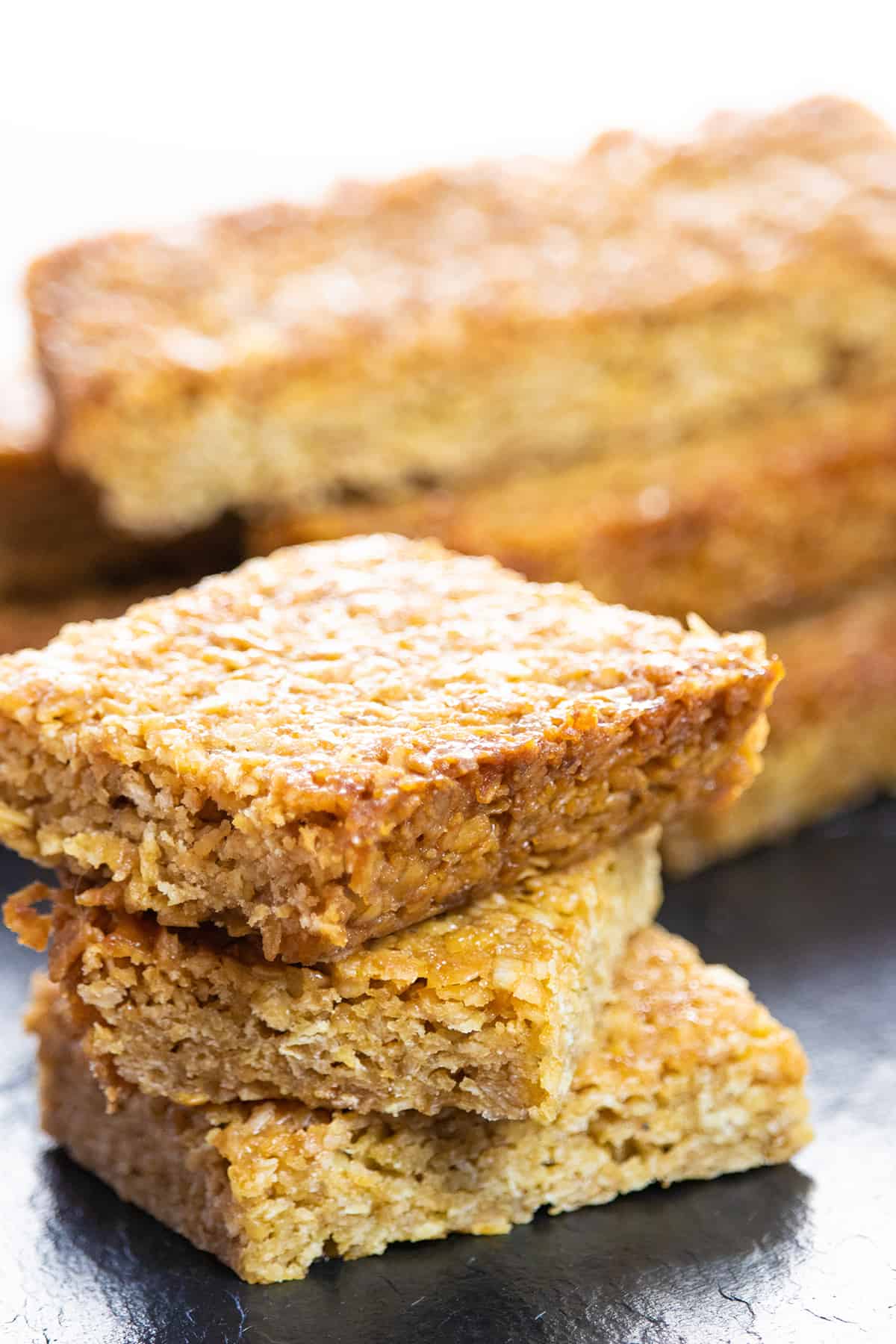
In the UK, a flapjack is a specific type of baked oat bar, vastly different from the American pancake-like flapjack. These delightful rectangles are dense, chewy, and packed with oats, bound together by a luscious mixture of melted butter, brown sugar, and golden syrup. They are the quintessential snack, perfect for a quick energy boost, an afternoon tea accompaniment, or a welcome treat in a school lunchbox.
My own introduction to these wonderful treats came from time spent living in England. They quickly became my go-to for every school event, birthday party, and impromptu gathering. The simplicity of the recipe, combined with the universal appeal of their buttery, chewy texture, made them an instant hit. They embody comfort and home, a sweet reminder of shared moments and simple pleasures.
While the fundamental recipe for **classic British flapjacks** remains consistent, they offer a fantastic canvas for customization. From the inclusion of chocolate chips to dried fruits like raisins or apricots, or even a sprinkle of seeds, you can easily tailor them to your preference. But before we get to the fun variations, let's explore the essential ingredients that lay the foundation for perfection.
The Essential Ingredients for Perfect Classic British Flapjacks (and Why They Matter)
Crafting the ideal flapjack relies on understanding the role each core ingredient plays. It’s a simple list, but the right choices make all the difference to achieving that classic texture and flavour.
The Oats: The Heart of Your Flapjacks
The type of oats you choose is paramount for achieving the desired chewiness and binding.
*
In the US or Canada: Look for
quick-cooking oats. These are perfect because they absorb the syrup mixture effectively, creating that signature chewy finish without breaking down too much. Avoid "instant oats" as they tend to become overly dense and mushy. Similarly, "old-fashioned" or "large-flake" oats don't absorb enough, leading to a crumbly bar that lacks proper binding.
*
In the UK: Porridge oats, jumbo porridge oats, or rolled oats all work beautifully. Porridge oats generally give a softer, more uniformly chewy texture, while jumbo or rolled oats will produce a slightly firmer, more rustic bar with a bit more bite. Again, steer clear of "instant oats" or "instant porridge" for the same reasons as their North American counterparts – they result in a dense, rather than chewy, flapjack.
Golden Syrup: The Secret to Authentic Flavour
If there's one ingredient that truly defines the flavour of **classic British flapjacks**, it's golden syrup. This thick, amber-coloured inverted sugar syrup provides a unique buttery-caramel taste that’s distinct from honey or corn syrup. It’s less intensely sweet than some syrups and offers a beautiful, rich depth of flavour.
While readily available in the UK, golden syrup can typically be found in the baking aisle of well-stocked American grocery stores, often alongside molasses or other specialty syrups. Its unique flavour is truly worth seeking out for an authentic flapjack experience. In fact, for a deep dive into this magical ingredient, check out our article on
Golden Syrup Flapjacks: The Secret to Perfect Chewy British Oats.
If golden syrup is absolutely unavailable, you can use dark corn syrup, maple syrup, or honey as a substitute. Be aware, however, that these alternatives will slightly alter the final flavour profile, so adjust your expectations accordingly. Dark corn syrup comes closest in texture, while maple syrup and honey will impart their own distinct aromas.
Butter and Brown Sugar: Richness and Binding Power
Unsalted butter is essential for both flavour and texture, providing the richness and helping to bind the oats together. The generous amount of butter in this recipe contributes significantly to the flapjacks' signature chewiness. Brown sugar, with its molasses content, adds another layer of caramel depth and moisture, further enhancing the chewiness compared to white granulated sugar.
Master the Method: Foolproof Steps to Flapjack Success
The beauty of making **classic British flapjacks** lies in its straightforward process. It’s largely a one-pot wonder, minimizing washing up and maximizing enjoyment.
1.
Melt the Wet Ingredients: Start by combining the butter, golden syrup, and brown sugar in a saucepan. Place it over medium-low heat, stirring continuously until everything is completely melted and smoothly combined. It’s crucial that no separation of the butter is visible, ensuring a homogenous mixture that will evenly coat your oats. This step creates the sticky, sweet binder for your flapjacks.
2.
One-Pot Wonder – Add the Oats: Once your butter mixture is perfectly melted and shimmering, remove the pan from the heat. Now, add your chosen oats directly into the pan. Many recipes suggest transferring the butter mixture to a separate bowl with the oats, but honestly, why dirty another bowl? Mixing everything in the same saucepan is perfectly efficient and effective.
3.
Coat Thoroughly: Stir the oats vigorously until every single flake is well coated with the sticky, sweet syrup mixture. This thorough coating is critical for the flapjacks to bind together properly and achieve that wonderfully chewy consistency. This is also the ideal moment to stir in any desired additions like chocolate chips, dried fruit, nuts, or seeds, ensuring they are evenly distributed throughout the mixture.
4.
Press into the Pan: Transfer the oat mixture into your prepared baking pan. An 8x8 inch (20 cm) pan is generally considered ideal for **classic British flapjacks**, yielding a good thickness for that sought-after chewy texture. Use the back of a spoon or a rubber spatula to press the mixture down firmly and evenly into the pan. Compactness is key here – the more firmly you press, the better your flapjacks will hold their shape.
5.
Bake to Perfection (and Desired Texture): Bake your flapjacks in a preheated oven. The baking time will vary slightly depending on your oven and desired texture.
*
For Chewy Flapjacks: Bake until the edges are lightly golden and the centre still looks slightly soft or wobbly. They will firm up considerably as they cool. Overbaking is the enemy of chewiness!
*
For Crispier Flapjacks: If you prefer a crunchier flapjack, consider using a larger baking pan (e.g., 9x13 inch / 23x33 cm) to spread the mixture thinner. You might also bake them at a slightly higher temperature or for a few minutes longer, watching carefully for a deeper golden-brown colour.
In my experience, the sweet spot is somewhere in between – golden at the edges, slightly softer in the middle, offering both a gentle chew and a hint of crispness.
6.
Cooling and Cutting: This is a crucial step! Allow the flapjacks to cool completely in the pan before cutting. Trying to cut them warm will result in a messy, crumbly disaster. As they cool, the mixture will firm up and become perfectly sliceable. Once fully cooled, slice into squares or rectangles of your desired size.
Customization and Serving Suggestions for Your Flapjacks
One of the great joys of making **classic British flapjacks** is their versatility. While the base recipe is perfect as is, you can easily personalize them to suit any taste.
*
Flavour Variations:
*
Chocolate: Stir in milk, dark, or white chocolate chips. A swirl of melted chocolate on top after baking is also a delightful touch.
*
Dried Fruits: Raisins, sultanas, dried cranberries, chopped apricots, or even chopped dates add natural sweetness and a different chew.
*
Nuts and Seeds: Chopped walnuts, pecans, almonds, sunflower seeds, or pumpkin seeds can add extra texture and flavour.
*
Spices: A pinch of cinnamon or a hint of ground ginger can provide a warm, aromatic note.
*
Citrus Zest: The finely grated zest of an orange or lemon can brighten the flavour beautifully.
*
Serving Ideas:
These versatile oat bars are perfect for almost any occasion. They make an ideal companion for your morning coffee, an energizing pick-me-up during an afternoon tea break, or a much-loved addition to lunchboxes. For more ideas on how to enjoy these versatile treats, consider reading
British Flapjacks: Perfect for Snacks, Tea Time & Lunchboxes. They're also fantastic as a portable snack for hikes or a quick energy boost after a workout.
*
Storage:
Flapjacks store exceptionally well. Keep them in an airtight container at room temperature for up to 5-7 days. They can also be frozen for up to 3 months, making them perfect for batch baking and enjoying later.
Conclusion
Making **classic British flapjacks** is more than just following a recipe; it's about embracing a simple, comforting tradition. With just a few basic ingredients and our foolproof guide, you can create these buttery, chewy, and utterly irresistible oat bars right in your own kitchen. Whether for school snacks, afternoon tea, or simply a sweet moment of indulgence, these flapjacks are guaranteed to bring a smile to everyone's face. So, gather your ingredients, follow these steps, and prepare to fall in love with the timeless charm of homemade British flapjacks. Happy baking!